
Case Study: Fenris The Raze - Wolf Fur Suit
Full Digitigrade Fur Suit Commission


The Client's Vision & Challenge
Wild Craft's Solution (The Build Process)
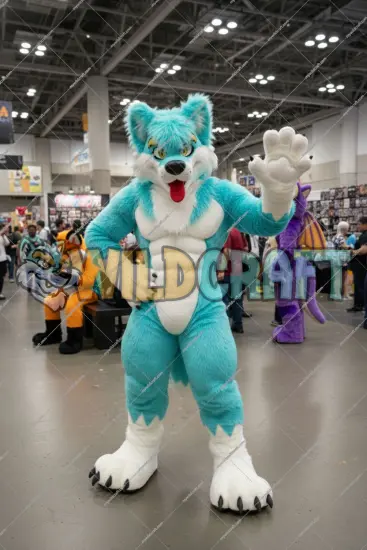
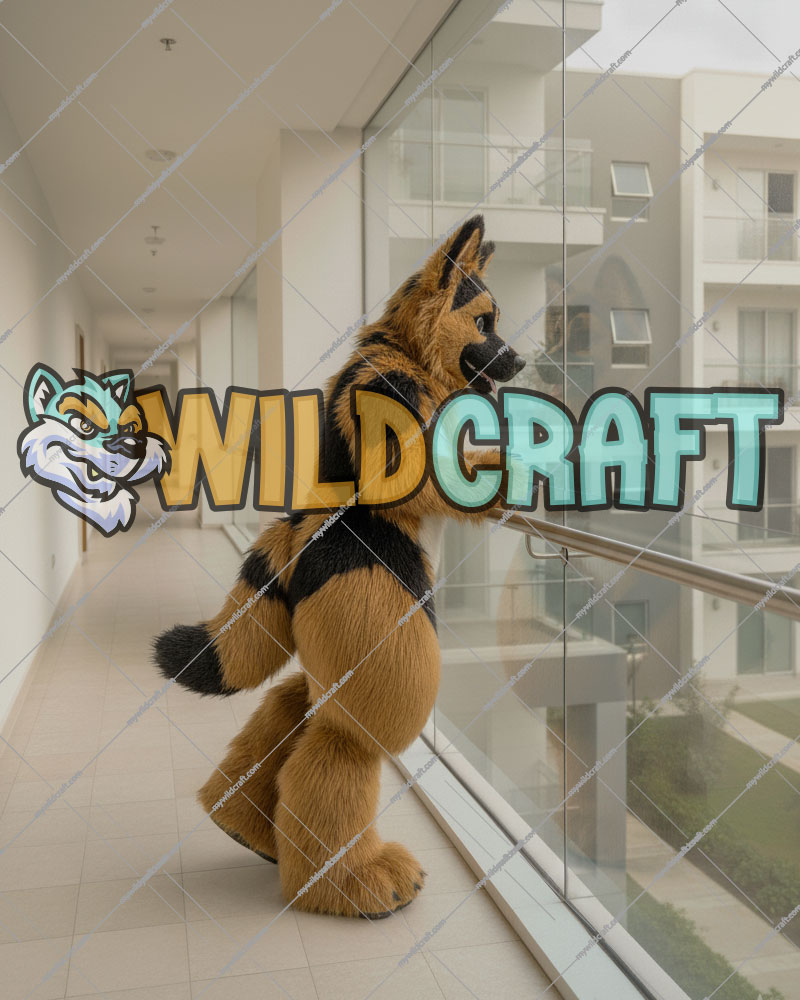
FENRIS, THE RAZE. Alpha. Apex. Werewolf. This isn't just a suit—it's a walking piece of wild, untamed power built on a heavy muscle padding and digitigrade base. Spot the brute with the savage snarl and removable magnetic tongue—he doesn't take selfies, he demands tribute.
Technical Features
Materials
- High-quality faux fur material
Mechanics
- Follow-Me Glass Eyes
- Removable Magnetic Tongue
Structure
- Full Digitgrade Padding
Client Details
Commission Type: Full Digitigrade Fur Suit
Client Handle: Dylan Wentzel
"I commissioned the bold Wolf Fursuit and couldn’t be happier. The craftsmanship is amazing, and the team was super flexible when I requested the foot padding removed last-minute. Fits great, looks incredible, and feels fantastic. They also gave a name to the suit Fenris the Raze."
— Dylan Wentzel
Commission a suit with this energy
Share your reference and suit type—we will outline pricing, timing, and what happens after you apply.
Frequently Asked Questions
How does the commission process work at My Wildcraft?
The process begins when we announce a Custom Fursuit Commission opening, usually via our social media, website or newsletter. First, you will submit a quote form with your character reference sheet (if you have one). If accepted, we will provide a final price for your Fur Suit. To secure your slot, a non-refundable deposit (typically 30%) is required. Once the deposit is paid, we order your materials. You will then be placed in our production queue. For full suits, you may need to send us a Duct Tape Dummy (DTD). We will keep you updated with photos during the build, and once the final payment is cleared, we ship your new Custom Fursuit!
How much does a custom fursuit cost?
Pricing varies significantly based on the complexity of the design, the number of fur colors, and the type of Furry Suit (Partial, Plantigrade, or Digitigrade). A simple partial suit will cost less than a complex Digitigrade full suit with intricate markings or wings. Our base prices are listed on our "Prices" page, but these are starting points. As a premium Fursuit Maker, we factor in features like LED eyes, complex patterns, moving jaws, or oversized tails. We always recommend getting a personalized quote to know the exact investment required for your Fursuit Commission.
Do you offer payment plans?
Yes, we understand that a Custom Fursuit is a luxury purchase. We offer flexible payment plans. After the initial 30% non-refundable deposit is paid to secure your Fursuit Commission, you can pay the remaining balance in monthly installments over the duration of the build time (usually 3 to 6 months). We will not ship the final Furry Suit until the balance is paid in full. If you miss payments without communicating with your Fursuit Maker, we reserve the right to pause work.
Do I need a reference sheet ("Ref Sheet") to order?
Yes, a clear, unshaded reference sheet is required for an accurate quote and build of your Furry Suit. This sheet should show the front, back, and side views of your character, along with specific details like paw pad colors, eye shape, and markings. Most Fursuit Makers cannot work off of text descriptions or a collection of random images, as this leads to misinterpretation. If you do not have a reference sheet for your Custom Fursuit, we can recommend digital artists who can create one for you before you apply for a slot.
What if I don't have a character yet? Do you sell pre-made suits?
If you don't have a custom character ("fursona") yet, keep an eye on our "For Sale" page! We occasionally create "Artistic Liberty" designs or pre-made suits (often called "pre-mades") that are sold as-is. These are great because there is no wait time—you can buy a Fur Suit and have it shipped immediately. Buying a pre-made also gives you full rights to that character design, making it an excellent way to enter the fandom without waiting for a Custom Fursuit Commission.
What is the difference between "Toony" and "Realistic" styles?
"Toony" style Furry Suits are characterized by large, expressive eyes, smiling mouths, and vibrant colors. They often look like living cartoons or mascots and are very popular for their friendly aesthetic. "Realistic" suits aim to mimic actual animals, using taxidermy-style eyes and airbrushing. At My Wildcraft, we specialize in a specific style (check our gallery!), so please ensure our artistic style matches your vision before hiring us as your Fursuit Maker. We do not copy other Fursuit Makers' styles.
What is the difference between Plantigrade and Digitigrade legs?
Plantigrade legs follow the human anatomy, where the foot is flat on the ground. This style of Fur Suit is lighter, cooler, and easier to move in. Digitigrade legs are designed to mimic animal anatomy, where the animal walks on its toes and has a high "hock" (ankle). We achieve this by adding internal foam padding to your calves and thighs. While Digitigrade looks more animalistic, it makes the Custom Fursuit heavier, warmer, and requires more storage space than Plantigrade.
Can you make a suit in the "Kemono" style?
Kemono is a specific Japanese aesthetic featuring smaller muzzles, very large anime-style dome eyes, and a rounded appearance. We do accept Kemono Fursuit Commissions, but please review our gallery first. Kemono suits often have different vision ports compared to standard Western toony suits, so the visibility can feel different inside the Furry Suit. If you are specifically looking for this anime aesthetic for your Custom Fursuit, please mention it clearly in your quote form so we can accommodate the style.
Do you accept "Artistic Liberty" commissions?
Yes! Artistic Liberty commissions are where you give your Fursuit Maker a general theme (e.g., "a blue dragon" or "a spooky wolf") and let us handle the specific design details. Many clients love this because it allows us to use our creativity to the fullest, often resulting in our best work. Sometimes, an Artistic Liberty Custom Fursuit Commission may come with a slight discount or a faster turnaround time because we don't have to spend as much time matching specific markings from a reference sheet.
Will you make a copyrighted character (like Pokémon or Disney)?
Generally, we avoid making direct copies of licensed, copyrighted characters to respect intellectual property laws and avoid legal issues. As professional Fursuit Makers, we prefer to create original designs. However, we are happy to make a Furry Suit inspired by these species. For example, we can make a generic "blue jackal" that looks cool, but we will not recreate the exact markings of a specific trademarked character. We encourage you to create a unique character for your Custom Fursuit.
What is a Duct Tape Dummy (DTD) and why do I need one?
A Duct Tape Dummy (DTD) is a physical mold of your body made by wrapping yourself in duct tape over a painter's suit. For full-body Custom Fursuit Commissions, a DTD is absolutely mandatory. It allows us to build the Fur Suit on a mannequin that is your exact shape and size. Without a DTD, we cannot guarantee the fit, especially for digitigrade padding. We will provide you with a tutorial on how to make one. Please note, you will need a friend to help you make it!
What materials do you use to build the heads?
Our Custom Fursuit heads are constructed using high-quality materials designed for durability and comfort. We typically use either a carved upholstery foam base (which is soft) or a 3D-printed resin base (which offers precise symmetry). The outer layer is high-density luxury faux fur. As a responsible Fursuit Maker, we never use real animal fur. The eyes are made from waterproof mesh and acrylic. Inside, the head is lined with moisture-wicking fabric to keep you cool inside your Furry Suit.
Can I wear my glasses inside the fursuit head?
This depends on the size of your glasses and the shape of the Fur Suit head. Generally, we try to accommodate glasses if you inform us beforehand during the Fursuit Commission process. We can carve extra room in the foam near the temples. However, large wide-frame glasses may fog up quickly due to the heat. We highly recommend wearing contact lenses or investing in a prescription "sport strap" pair of glasses for use with your Custom Fursuit, as they sit closer to the face.
How is the vision and ventilation in your suits?
We prioritize vision and ventilation in every Furry Suit we build. Vision is typically through the pupils or the iris of the eyes, made from a high-visibility mesh. While it will never be as clear as your natural eyesight, we ensure there are no major blind spots. Ventilation comes through the open mouth and the eyes. Most Fursuit Makers carve out the inside of the muzzle to maximize airflow. However, wearing a Custom Fursuit is like wearing a winter coat; it will always be warm.
What if my body measurements change after I order?
If your measurements change significantly (weight gain or loss) after you have sent your DTD but before we have started sewing your Custom Fursuit, please let us know immediately! We may need you to send a new DTD to ensure the Fur Suit fits. If the suit is already sewn, alterations can sometimes be made, but they are difficult. We recommend waiting to submit a Custom Fursuit Commission if you are currently in the middle of a significant weight loss or fitness journey.
Do you have an age requirement for commissions?
Yes, you must be 18 years or older to order a Custom Fursuit from My Wildcraft. This is strictly enforced for two reasons. First, a Custom Fursuit Commission is a legally binding contract involving significant financial transactions, which minors cannot legally enter into. Second, younger individuals are often still growing. A Fur Suit is tailored to precise body measurements; if you have a growth spurt during the 6-12 month production time common among Fursuit Makers, the suit might not fit you by the time it arrives.
How long is the turnaround time?
Turnaround time depends on our current queue length and the complexity of your project. On average, a head or partial takes 3-5 months, while a full Fur Suit can take 6-12 months. Please note that this is an estimate. Life events or supply chain delays are common challenges for all Fursuit Makers. We maintain a public queue (Trello) so you can see exactly where your Custom Fursuit Commission stands in the lineup.
Do you ship internationally?
Yes, My Wildcraft ships worldwide! We use reliable couriers like FedEx, UPS, or DHL to ensure your Fur Suit arrives safely. However, please be aware that you are responsible for all customs duties, VAT, and import taxes charged by your country. These fees can be significant depending on your location, so please research your local import laws before placing a Fursuit Commission. We will not mark the Custom Fursuit package as a "gift" or under-declare the value.
What if I need to cancel my commission?
If you need to cancel your Custom Fursuit Commission, please contact us as soon as possible. The initial 30% deposit is non-refundable because it covers the time spent on administration, consultations, and materials purchased specifically for your Fur Suit. If you have paid more than the deposit, we may refund the additional amount depending on how much work has been completed. If the Furry Suit is nearly finished, we may finish it as a generic design to sell.
How do I clean and wash my fursuit?
You must wash your Furry Suit regularly! Sweat bacteria can damage the backing of the fur. For bodysuits, hand paws, and tails, machine wash on cold with a gentle detergent and hang dry. Never use heat! Heat from a dryer will melt the fibers and ruin the work of your Fursuit Maker. For heads, use a portable upholstery cleaner with cold water. Always spray the inside of the Custom Fursuit head with isopropyl alcohol spray after every use to disinfect it.
What kind of warranty do you offer?
My Wildcraft offers a 90-day warranty on all craftsmanship for every Custom Fursuit. This covers popped seams, unglued parts, or structural issues. If something breaks during normal use within this period, we will repair it for free. This warranty does not cover damage caused by roughhousing, improper washing (heat damage), or wear and tear. We take pride in being a durable Fursuit Maker, but care is required to keep your Fur Suit in top condition.
Can I use my fursuit for active performance or dancing?
Our suits are built to be durable, using strong upholstery thread. They are suitable for general convention walking and light dancing. However, if you plan on doing extreme breakdancing or stunts in your Furry Suit, please let us know during the Fursuit Commission process! We can reinforce specific areas or adjust the padding style. Standard Custom Fursuits are not always designed for impact sports without prior modification by the Fursuit Maker.
Can I upgrade a Partial to a Full Suit later?
Technically, yes, but we advise against it if possible. Faux fur is produced in "dye lots." If you buy a head and tail now, and decide to commission the Fur Suit body two years later, the new fur might be a slightly different shade. If you think you might want a full Custom Fursuit eventually, it is safer to buy all the fur at once, or start with a full Custom Fursuit Commission to ensure a perfect color match.
How should I store my fursuit?
A Fur Suit should be stored in a cool, dry place away from direct sunlight (which can fade the colors). Do not store your suit compressed in a tight box for long periods, as this will crush the fur and deform the padding created by your Fursuit Maker. The best way to store a bodysuit is hanging it up in a closet. The head should be placed on a shelf. Ensure the Furry Suit is 100% dry before storing it to prevent mold.
Can you install electronics like fans or LEDs?
Yes! We can install various electronics to bring your Custom Fursuit to life. The most common request is a cooling fan inside the muzzle, which helps with airflow. We can also install LED eyes or glowing markings. Electronics add weight and complexity, and they require care when washing the Furry Suit. Please mention any electronic requirements in your Custom Fursuit Commission quote form so we can provide an accurate price estimate.
Ready to Start Your Fursuit Commission?
If your fursona is ready to take their first steps into the real world, we’re excited to help bring that magic to life!
Our current queue is: **OPEN** (WhatsApp us for specific status updates.)